
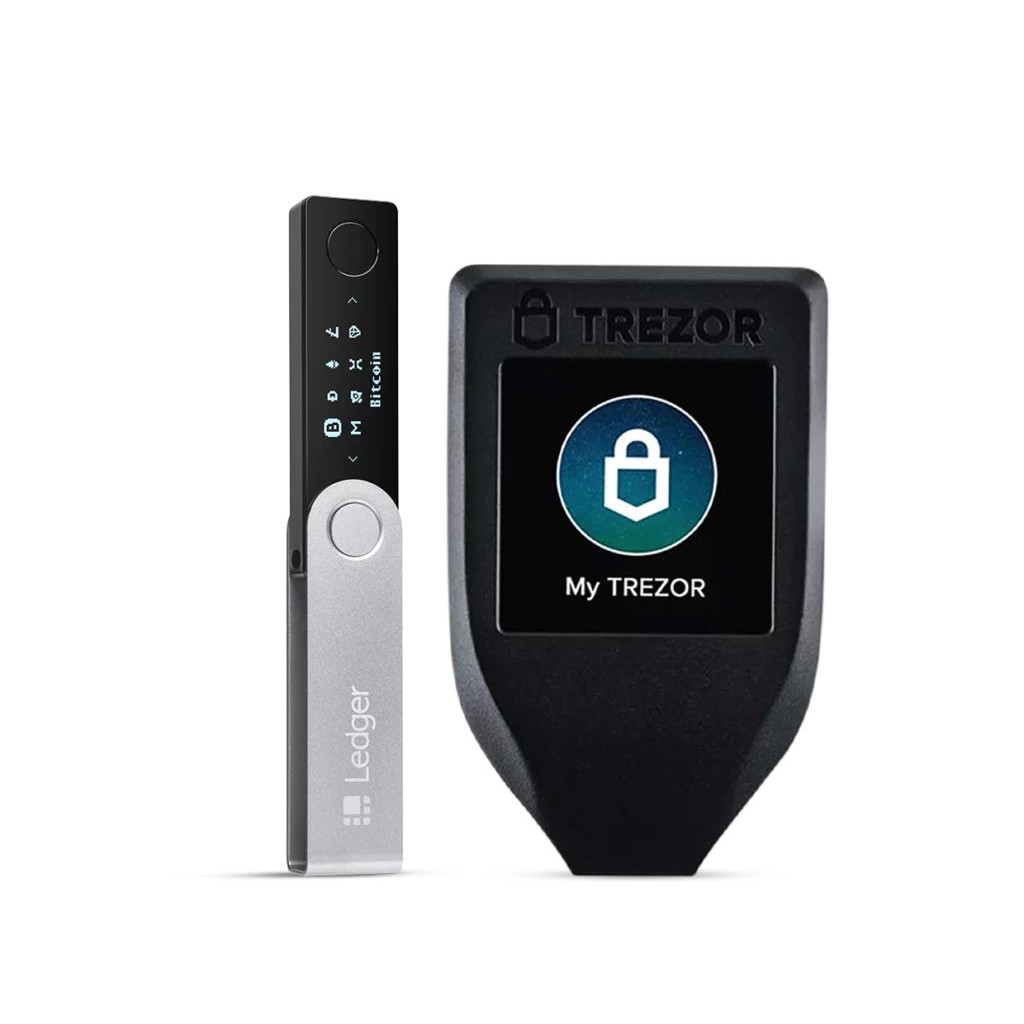
Ledger Nano X vs. Trezor Model T: Which Hardware Wallet is Safer for Your Crypto Empire?
- Trezor Model T is the champion of open-source security, offering superior auditability and a fully transparent supply chain.
- Ledger Nano X wins on convenience, with Bluetooth connectivity and broader support for staking/DeFi protocols.
- The single greatest security risk is always the user (you). Both devices offer industry-leading protection; your setup process is the key differentiator.
For maximum security and auditability, choose the Trezor Model T. For seamless mobile use and broader app integration, choose the Ledger Nano X
The Security Illusion: Why Your Crypto is Still Not Safe
In the last year alone, crypto investors lost over $3.8 billion to scams and hacks. You’ve done the smart thing: you’ve bought Bitcoin, you’ve mastered the exchanges, and you’ve realized that keeping your funds on a hot wallet (like an exchange) is a ticking time bomb.
You know you need a hardware wallet. But now you face the final, critical choice: Ledger Nano X or Trezor Model T?
This decision isn’t about features; it’s about fundamental security philosophy. The wrong choice could leave you vulnerable to attack vectors you didn’t even know existed.
As Senior Financial Analysts, we cut through the noise of marketing and tech specs. We analyze the core security architecture, supply chain integrity, and long-term viability of the two undisputed kings of crypto storage.
This is the definitive, data-backed guide to choosing the safest home for your digital assets.
Core Comparison: Trezor vs. Ledger Security Breakdown
| Feature | Trezor Model T (Security Focus) | Ledger Nano X (Convenience Focus) | Winner (Security) |
| Security Chip | General-purpose MCU | Certified Secure Element (SE) | Ledger (Dedicated Chip) |
| Code Base | 100% Fully Open-Source | Proprietary OS on Secure Element | Trezor (Auditability) |
| Touchscreen | Large, responsive color touchscreen | None (Uses buttons) | Trezor (Better visibility/PIN entry) |
| Connectivity | USB-C | USB-C + Bluetooth (Optional) | Ledger (Convenience) |
| Supply Chain | Transparent, fully auditable | Transparent, but SE is proprietary | Trezor (Zero trust on closed chip) |
| Recovery | Standard 12/24 Word Seed | Standard 12/24 Word Seed | Tie |
1. Ledger Nano X: The Fortress of the Secure Element
The Ledger Nano X is the current market leader for a good reason: its unique, multi-layered security approach offers unparalleled confidence for the everyday user.
Why the Secure Element (SE) Matters
The cornerstone of Ledger’s security is the Secure Element (SE) chip (CC EAL5+). This is the same type of chip used in passports and credit cards.
- Isolation: The SE is designed to withstand sophisticated physical attacks, preventing attackers from extracting your private keys even if they gain physical access to the device.
- Proprietary OS: The custom-built operating system (BOLOS) is run on this chip. This software is not open-source, which is Ledger’s primary security philosophy: trust the isolated, hardened chip rather than relying on community auditing of the code.
Pros and Cons of the Nano X
| Pros | Cons |
| Best Mobile Experience: Bluetooth allows seamless management on the go. | Closed Source: Critics argue you must trust Ledger that there are no backdoors. |
| Broadest App Support: Superior staking, lending, and DeFi integration. | Bluetooth Attack Vector: Though encrypted, any wireless connection introduces minimal risk. |
| Higher Capacity: Install up to 100 applications (wallets) simultaneously. | Requires reliance on Ledger Live software ecosystem. |
The Ledger Nano X is built for the modern crypto investor who values security but demands convenience and integration. Protect your investment while accessing staking rewards.
Don’t leave potential APY on the table. Secure your assets and start earning interest today!
Buy Ledger Nano X and Claim Your Future
2. Trezor Model T: The Power of Open-Source Transparency
Trezor’s philosophy is the polar opposite of Ledger’s: total transparency. The Trezor Model T has no Secure Element chip. Instead, it relies on a standard general-purpose chip (MCU) that runs entirely open-source code.
Why Open-Source is the Ultimate Audit
In the crypto world, “Don’t Trust, Verify” is the mantra. Trezor lives by this.
- Community Vetting: The entire codebase is public. Thousands of developers, security researchers, and hackers constantly audit the code, making it difficult for vulnerabilities to persist undetected.
- Zero Proprietary Trust: You do not need to trust the manufacturer (SatoshiLabs) that the chip is clean. You can verify the software yourself or trust the security community who already have.
The Touchscreen Advantage
The Model T features a large, color touchscreen that enhances security during the most vulnerable step: PIN and Recovery Seed entry.
- PIN Entry: The screen randomizes the PIN pad layout every time, preventing screen-based attacks (like dust analysis or smudge attacks).
- Seed Entry: The seed phrase is entered directly on the device, never on a connected computer, isolating the recovery process.
Pros and Cons of the Model T
| Pros | Cons |
| Maximum Auditability: 100% open-source means no hidden backdoors. | No Bluetooth: Management must always be tethered via USB-C. |
| Physical Security: Better protection against physical tampering detection. | Lower app capacity (fewer dedicated coin apps). |
| User Experience: Touchscreen is superior to Ledger’s buttons for data entry. | Higher initial cost than the Nano X. |
If your top priority is security without any proprietary compromises, the Trezor Model T is your solution. It’s the device the OGs of crypto trust most.
Verify your wallet’s integrity with full transparency. Get the Trezor Model T now!
Buy Trezor Model T and Maximize Security
3. The Deciding Factor: Attack Vector Analysis
To determine which device is safer, we must analyze the two primary attack vectors.
Attack Vector A: The Remote Digital Hack
- Scenario: A hacker gains control of your computer (malware) and tries to extract your private keys while the wallet is plugged in.
- Result (Both Wallets): Both Ledger and Trezor win this fight. They require physical confirmation (button press or screen tap) to authorize a transaction. Your keys never leave the Secure Element (Ledger) or the isolated chip (Trezor).
- Verdict: Tie. Both are light years safer than any hot wallet.
Attack Vector B: The Physical/Supply Chain Attack
- Scenario: A sophisticated attacker (e.g., state-sponsored) intercepts the device before it reaches you or tampers with the hardware itself.
- Ledger (Vulnerability): Because the operating system on the SE is closed-source, you must trust Ledger not to have vulnerabilities in the proprietary code.
- Trezor (Strength): The entirely open-source hardware and software allow the community to verify that no malicious code was inserted during manufacturing. This is why many security experts slightly favor Trezor.
4. Understanding the Single Biggest Risk: The Seed Phrase
The hardware wallet is the lock; the 12/24-word recovery seed (or “Master Key”) is the key.
80% of crypto losses related to hardware wallets occur because the user:
- Stored the seed phrase digitally (on a phone, email, or cloud).
- Took a photograph of the seed phrase.
- Stored the phrase next to the device (the biggest rookie mistake).
Rule 1: Never Digitize Your Seed
Your seed phrase is the only way to recover your funds if the device is lost, stolen, or damaged. Never, under any circumstances, type it, copy it, photograph it, or store it on a device connected to the internet.
Rule 2: Secure Storage is Physical Storage
Invest in a metal stamping kit (like Billfodl or Cryptosteel) to store your seed phrase on fireproof, waterproof material. This is the only true way to secure your multi-million dollar master key.
Don’t risk everything on paper. Upgrade your security with physical, fireproof storage for your recovery seed.
5. Other Key Considerations for Beginners
A. Coin Support and Staking
If your portfolio includes a wide array of Altcoins or you plan on using DeFi protocols to earn passive income, the Ledger Nano X is often the more seamless experience. Its integration with the Ledger Live app makes staking certain coins (like ETH or DOT) directly from the device simpler than the Trezor suite.
B. Price vs. Value
The Trezor Model T is typically more expensive than the Ledger Nano X. However, considering both devices are designed to protect hundreds of thousands, if not millions, of dollars in assets, the small difference in initial cost is irrelevant. Do not base your decision on price. Base it on the security philosophy you trust most.
The average US crypto investor holds $7,500 in cryptocurrency. The cost of either device is less than 1% of that amount—an essential insurance policy.
6. Final Verdict: Which Device Should You Choose Today?
Both the Ledger Nano X and the Trezor Model T offer world-class, multi-layer protection far superior to any exchange or hot wallet.
| Scenario | Recommendation | Rationale |
| You want Maximum Transparency & Auditability | Trezor Model T | The open-source code eliminates the need to trust the manufacturer (SatoshiLabs). |
| You need Bluetooth & Best App Integration | Ledger Nano X | Unbeatable convenience and support for staking/DeFi protocols via Ledger Live. |
| You prioritize ease of use (PIN/Seed Entry) | Trezor Model T | The secure touchscreen is a cleaner, safer method for data entry. |
The choice comes down to philosophical trust:
Trust the closed, hardened chip? Choose Ledger Nano X.
Trust the community-audited, open-source code? Choose Trezor Model T.
Our Expert Recommendation – For the beginner who intends to become an active, serious trader, the Trezor Model T provides the strongest argument for uncompromising security and trustless architecture.
Secure the future of your portfolio today. Don’t wait until the next major exchange hack.
Trezor Model T: Purchase the Trezor Model T (Best Auditability)
Ledger Nano X: Purchase the Ledger Nano X (Best Convenience)
Financial Disclaimer
This content is for informational and educational purposes only and does not constitute financial or investment advice. Cryptocurrencies are highly volatile and carry a significant risk of loss. Always consult with a qualified financial professional before making investment decisions. Past performance is not indicative of future results.
Pingback: What Happens to Your Crypto When You Die? Estate Planning